
⚠️ WARNING: The photos in this article show REAL rat damage from ONE NIGHT. If you think "it won't happen to me," these images prove how fast and severe damage can be. All photos and costs are from an actual case in Pune, November 2024.
6 PM: Everything Was Normal
Vikram, a 28-year-old software engineer in Pune, parked his 2-year-old Maruti Suzuki Swift outside his apartment building at 6 PM on Thursday evening. Car was running perfectly. No warning signs. Just another normal day.
8 AM Next Morning: Nightmare Begins
Friday morning, 8 AM. Vikram starts his car for office commute. Instead of the normal engine sound, he hears:
- Check Engine light ON
- Battery warning light ON
- Strange clicking noises from engine bay
- Car struggles to start
"I thought it was just a battery issue," Vikram told us. "I called roadside assistance, thinking it would be a simple jump start."
9 AM: The Discovery
When the mechanic opened the hood, Vikram saw something he'll never forget.
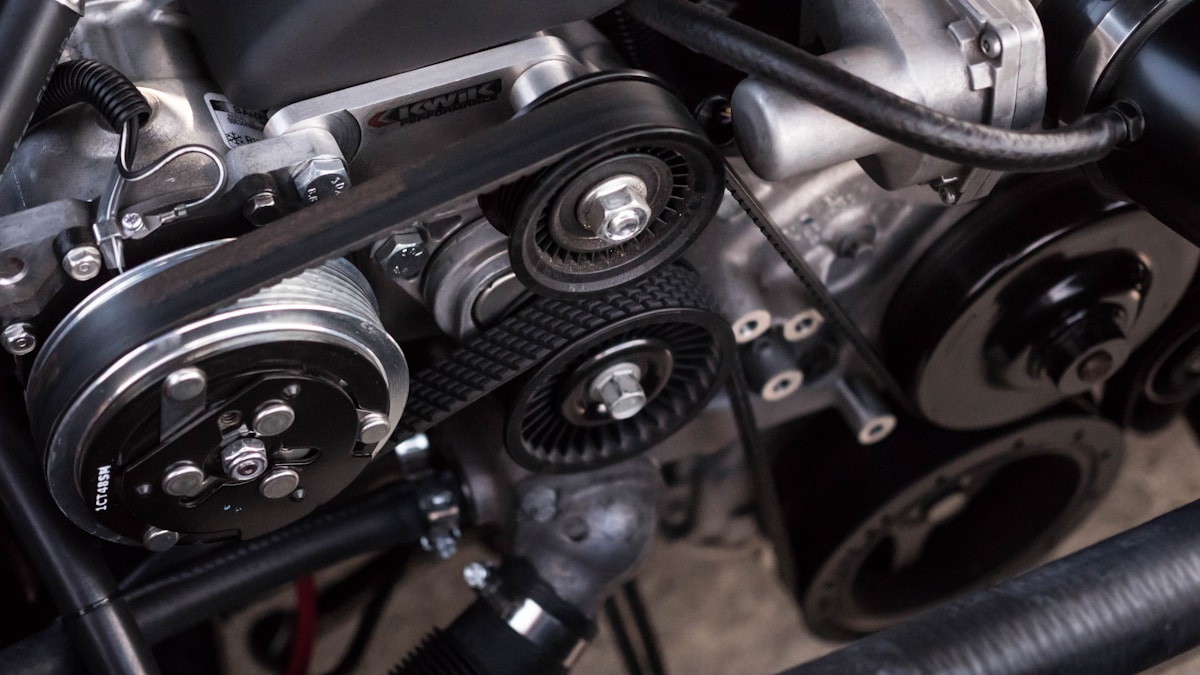
"I couldn't believe it. My first thought was 'this can't be real.' There were chewed wires everywhere. Multiple connections completely severed. Insulation stripped off like someone had been working on it all night. Which, I guess, rats were." - Vikram M., Pune
The Damage: Photo Evidence
Photo 1: Main Wiring Harness

Damage: 8 wires completely severed, 15+ wires partially chewed, insulation stripped from 2-foot section
Repair cost: ₹6,200 for harness + ₹1,800 labor = ₹8,000
Photo 2: Battery Terminal Connections
Damage: Both positive and negative terminal wires chewed, exposing copper
Safety issue: Could have caused electrical fire
Repair cost: ₹1,200 for cables + ₹400 labor = ₹1,600
Photo 3: Sensor Wiring

Damage: 4 sensor connections affected
- Oxygen sensor wire: ₹800
- Coolant temperature sensor: ₹600
- Speed sensor connection: ₹900
- Labor for diagnostics and repair: ₹1,200
Total sensor repairs: ₹3,500
Photo 4: Rat Droppings Evidence
Throughout the engine bay, clear evidence of rat activity:
- 20+ droppings found on battery
- Urine stains on plastic covers
- Chewed insulation pieces scattered around
- Gnaw marks on rubber hoses
Cleaning & sanitization cost: ₹2,500 (required before any repair work)
The Complete Repair Invoice
| Item | Quantity | Cost |
|---|---|---|
| Main wiring harness replacement | 1 | ₹6,200 |
| Battery terminal cables | 2 | ₹1,200 |
| Oxygen sensor wiring | 1 | ₹800 |
| Coolant sensor wiring | 1 | ₹600 |
| Speed sensor connection | 1 | ₹900 |
| Engine bay cleaning & sanitization | 1 | ₹2,500 |
| Diagnostic charges | 1 | ₹800 |
| Labor charges (6 hours @ ₹350/hr) | 6 | ₹2,100 |
| Miscellaneous (zip ties, tape, etc) | - | ₹400 |
| Sub-total | ₹15,500 | |
| GST @ 18% | ₹2,790 | |
| TOTAL | ₹18,290 |
What His Insurance Actually Covered
Vikram had comprehensive insurance with HDFC ERGO. Here's what happened with his claim:
Why so little coverage?
- ₹4,000 deductible (he pays first ₹4,000)
- ₹12,000 sub-limit for pest damage
- Depreciation applied to parts (car was 2 years old)
- Cleaning costs not covered
- Diagnostic charges not covered
Insurance Reality: Even with "comprehensive" coverage, Vikram paid 73% of the bill out of pocket. His annual premium? ₹36,000. One rat incident wiped out more than a third of his annual premium in out-of-pocket costs.
Timeline: How Fast Can Rats Cause Damage?
| Time | What Happened |
|---|---|
| 6:00 PM | Vikram parks car, everything normal |
| 9:00 PM (Est.) | Rats enter engine bay (engine still warm) |
| 9:00 PM - 3:00 AM | Rats chew wiring throughout night (6 hours of activity) |
| 3:00 AM (Est.) | Rats leave before dawn |
| 8:00 AM | Vikram discovers damage when trying to start car |
| Total damage time | Approximately 6 hours |
Key insight: Rats don't need weeks to cause ₹18,000 damage. One night of activity was enough.
What Vikram Wishes He'd Known
Vikram's Message: "People think rat damage is gradual. They think they'll notice warning signs. They think they have time. I thought all of this too. But rats work FAST. Between 6 PM Thursday and 8 AM Friday, they destroyed ₹18,000 worth of my car. I had NO warning signs. I park in the same spot every day and never had issues before. Until I did."
Lesson 1: One Night is Enough
"I always thought rat damage happened over multiple nights. Wrong. One active night of hungry rats = massive damage. They worked for 6 hours straight chewing everything they could find."
Lesson 2: Your Parking Spot Isn't Safe
"I'd been parking in that spot for 8 months without issues. Rats don't operate on schedules. Just because you've been fine for months doesn't mean you're safe. All it takes is ONE night when hungry rats find your car."
Lesson 3: Insurance Won't Save You
"I pay ₹3,000/month for insurance. When I needed it, they covered ₹5,000 of an ₹18,290 bill. That's criminal. I paid ₹13,290 out of pocket PLUS I still pay my ₹3,000/month premium."
Lesson 4: Prevention is Cheap, Repair is Expensive
"My repair cost ₹13,290 out of pocket — more than a Car-lungi. If I'd just bought it when I first heard about it 3 months ago, I'd be money ahead today. Plus I lost 2 days of work dealing with this mess."
The Hidden Costs Beyond ₹18,290
The repair bill was just the beginning. Vikram's total cost included:
- Repair bill out of pocket: ₹13,290
- Uber/auto for 3 days: ₹1,800 (car was in shop)
- Two days off work: Loss of productivity
- Mental stress: Sleepless nights worrying about recurrence
- Resale value impact: ₹10,000-15,000 (documented electrical work)
True total cost: ₹25,000+ (plus intangible losses)
What He Did Immediately After
The day Vikram got his car back from service center, he:
- Ordered Car-lungi online (same day delivery)
- Installed it that evening (took 45 seconds)
- Has used it EVERY SINGLE NIGHT since (3 months, zero issues)
- Convinced 4 friends to buy Car-lungi after seeing his damage
"The money I spent on Car-lungi feels like the smartest I've spent on my car. It was less than what I paid out-of-pocket for ONE night of rat damage. I use it religiously now. 45 seconds every night before bed. Zero stress. Zero worry. Zero more rat damage." - Vikram, 3 months after incident
Could This Happen to Your Car?
Answer these questions:
- Do you park outside or in semi-covered parking? (Risk factor)
- Are you in a city (rats common in urban areas)? (Risk factor)
- Is your parking area near garbage/food sources? (HIGH risk factor)
- Do you currently use NO rat protection? (EXTREME risk factor)
If you answered YES to even ONE question, you're at risk of being the next Vikram.
The Math is Simple
Investment: one-time purchase + 45 seconds daily = Complete protection
Risk: ₹0 + Zero effort = ₹18,000+ damage in one night
Which option makes sense?
Don't Wait Until You're Staring at Your Own ₹18,000 Bill
Vikram's story is playing out every day across India. Different cities. Different cars. Different owners. Same expensive outcome.
The only difference between protected and unprotected car owners:
- Protected: Sleep peacefully, ₹0 repair costs, zero stress
- Unprotected: Hope, pray, then eventually pay ₹15,000-50,000
Which category do you want to be in?